
MY TEAM
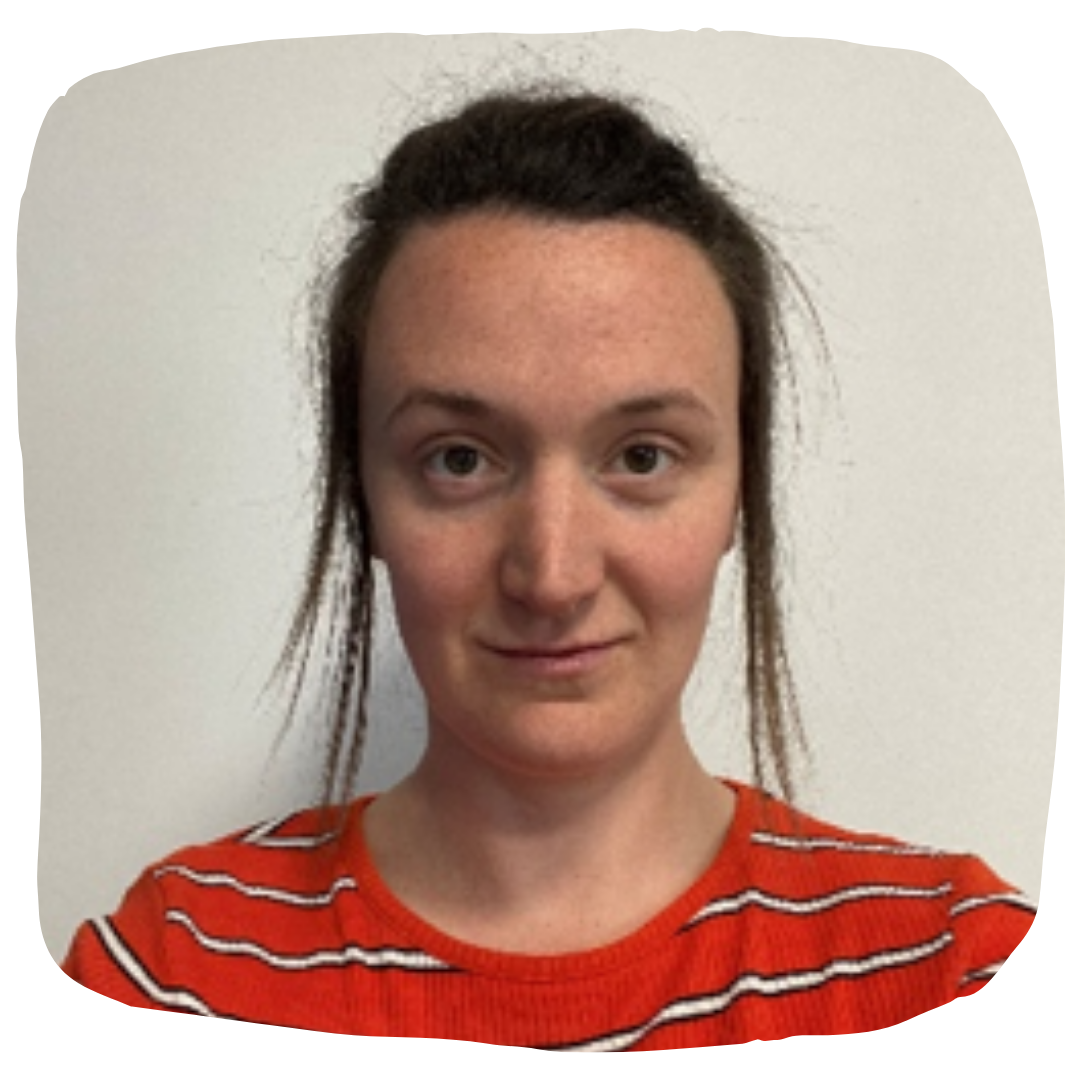
Hi, I'm Kathryn
I am an experienced registered Occupational Therapist with postgraduate training in sensory processing and integration.
I work part time within a specialist provision, where I support children and young people with a range of additional needs. This experience has deepened my understanding of how sensory processing can influence learning, communication, emotional regulation, participation and everyday life.
I am passionate about helping individuals and their families better understand their unique sensory profiles and developing practical strategies that build on their strengths, support independence and enhance quality of life. My approach is compassionate, person-centred and evidence-based, with a focus on making recommendations that are meaningful, achievable and relevant to each individual and their everyday environments.
Outside of work, you’ll usually find me outdoors, whether I’m gardening, cycling or exploring the fells with my little girl and our dog. Nature is my reset button and a constant source of inspiration, both personally and professionally.
KATHRYN'S QUALIFICATIONS
- Registered with the Health and Care Professions Council (HCPC registration number OT78533)
- Member of the Royal College of Occupational Therapists
- MSc Occupational Therapy
- CLASI Certificate in Ayres Sensory Integration
- Certified to use the SIPT and EASI assessments
- Enhanced Disclosure and Barring Service (DBS) check
- Fully insured
OUR APPROACH
By nature, children want to play, learn and develop. When they struggle e.g. attending school or tolerating busy environments, deficit-based approaches consider the child’s perceived weaknesses, viewing the child or their neurodivergence as the problem. Furthermore, recommendations are often related to a misplaced notion of resilience, with some professionals even suggesting desensitisation which can cause further trauma. Deficit-based models tend to suggest how the child needs to adjust rather than considering how the environment and adults around them can adapt.
We choose to take a more neurodivergent affirming approach that we call ‘Barriers to Participation’. This approach considers issues with the environment and support for the child, rather than viewing the child as being less than. We also consider how strengths can be used to mitigate challenges. Our approach is aligned with the core values of occupational therapy as a profession.
Daily living skills, learning, behaviour and communication, all grow and develop from a strong sensory foundation and our assessments therefore have a sensory focus. We consider a child’s sensory processing and integration, which means we look at how the child’s body and brain takes in and processes sensory input and how this impacts their ability to plan, coordinate and carry out daily activities (such as those related to learning, social engagement, self-care and play). Whilst this assessment approach can highlight areas of difficulty in the child’s sensory processing and integration, our recommendations relate to how the environment can be adapted and what adult support the child needs to thrive, rather than suggesting that the child needs to change.
We include standardised scoring in the report appendices. We do not in fact agree with comparing children to what society considers typical, however the realities of the current system mean that solid evidence is often required to access support. We find that the assessments we use help us understand the barriers to a child’s participation in everyday life which enables us to make child centred recommendations, however we ask that parents and young people do not pay too much attention to the scoring of these tools.
Our approach feels aligned with our values and it is ever evolving over time. We are excited to work with families and organisations who also feel aligned with our approach and we welcome questions; please do contact us.